Many people start GLP-1 treatment expecting appetite to become the main story. Appetite matters, but it is not the whole plan. When eating less becomes easy, eating enough of the right things can become harder. Protein, strength work, hydration, symptoms, medication tolerance, and follow-up all belong in the same conversation.
At Precision Health, that conversation stays physician-led. Nutrition support is practical, individualized, and connected to the care plan rather than built around internet rules.
Protein is not a personality test
Protein supports muscle, recovery, immune function, and satiety. It is not a moral score. It is also not the only nutrient that matters. Patients still need fluids, fiber, micronutrients, and meals they can tolerate.
A useful protein plan should account for:
- Body size and health history
- Kidney function and other medical conditions
- Medication side effects
- Food access, culture, budget, and schedule
- Activity level and strength goals
- What the patient can repeat on an imperfect week
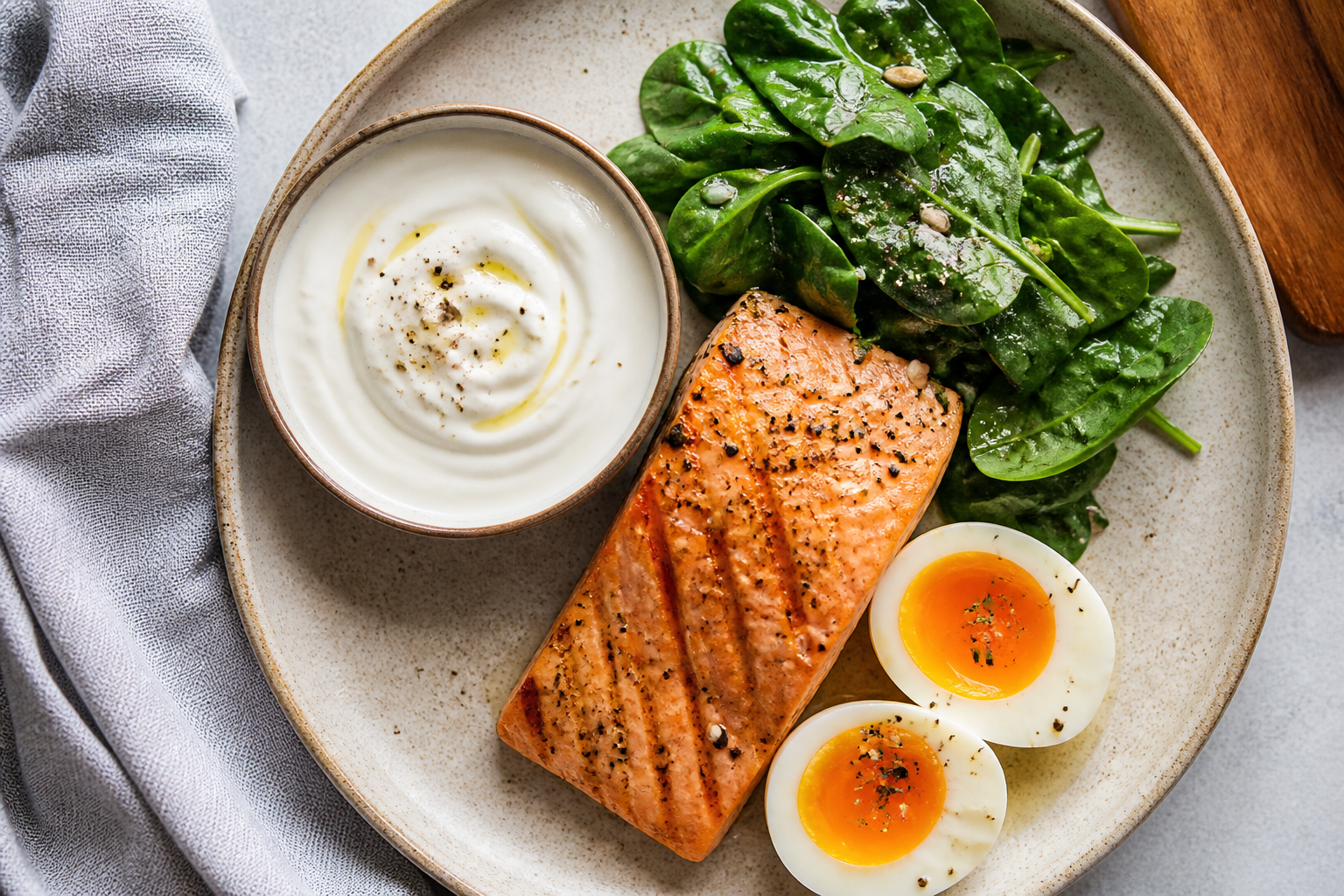
Some patients do well with food-first options. Others use shakes or supplements for convenience. Neither choice is automatically better.
Appetite suppression can hide under-eating
When appetite is low, a patient may unintentionally skip meals, drink too little, or rely on a few tolerated foods. That can lead to fatigue, constipation, dizziness, poor training recovery, or difficulty maintaining strength.
If intake becomes extremely limited, that is not a badge of success. It is something to report. The dose, timing, food pattern, hydration, and symptom plan may need review.
Strength work gives the body a signal
Protein alone does not preserve muscle. The body also needs a reason to keep strength. For many patients, that means gradually adding appropriate resistance exercise after medical clearance when needed.
This does not require an extreme gym identity. A starting plan may include simple movements, light weights, bands, machines, or bodyweight work. The goal is consistency and progression that fit the patient.
Walking matters too, especially for cardiometabolic health and routine. But during weight loss, some form of strength signal is especially important.
Follow-up should start before the next visit
The most useful follow-up is not a perfect diary. It is an honest, specific update:
- What did you actually eat on a normal day?
- What foods felt easy or difficult?
- Any nausea, vomiting, constipation, reflux, dizziness, or abdominal pain?
- How much fluid are you drinking?
- What strength or movement did you complete?
- What changed with sleep, stress, or work schedule?
- What question keeps coming up?
That information helps the clinical team distinguish nutrition gaps, medication tolerance issues, unrealistic plans, and medical warning signs.
When to call sooner
Routine questions can wait for a scheduled visit or appropriate office channel. Some symptoms should not wait. Contact the clinic or seek urgent care as appropriate for repeated vomiting, inability to keep fluids down, fainting, very low urine output, severe or persistent abdominal pain, chest pain, shortness of breath, confusion, or symptoms that feel urgent.
A portal, website, social media page, or blog is not an emergency service.
How Precision Health keeps this practical
The plan should be understandable enough to follow between visits and humble enough to change when the patient brings new information. That is why the conversation includes food, symptoms, movement, labs when appropriate, medication tolerance, access, cost, and the patient's actual life.
If you are considering GLP-1 care, the first step is not a protein target. It is a physician-led evaluation. From there, nutrition support can make the plan safer, more realistic, and easier to maintain.
Frequently asked questions
Do I need a protein shake on a GLP-1?
Not always. A shake can be convenient, but food can meet many needs. The right choice depends on your intake, tolerance, goals, medical history, and preferences.
Can I lose muscle while losing weight?
Yes. Weight loss can include lean tissue as well as fat. Adequate protein, appropriate strength training, medical monitoring, and avoiding overly aggressive intake restriction all matter.
Should I eat protein first?
That can help some patients when appetite is limited, but it should not crowd out fluids, fiber, and balanced nutrition. Individual tolerance matters.
What if I cannot eat enough?
Tell the clinical team. Persistent inability to meet basic intake or hydration needs can require a medication, nutrition, or medical reassessment.
This article is general education, not personal medical advice, a diagnosis, or a promise of results. Treatment decisions happen after clinician evaluation.
References

Dr. Kelvin Brown, MD, MPH
Ready to Take the Next Step?
Book your free initial consultation and experience the difference that real physician care makes.